

When it comes to the world of cosmetics, lip gloss is a staple that adds a touch of glamour and shine to any look. At the heart of this beauty product lies the crystal lip gloss tube, a container that not only holds the lip gloss but also enhances its appeal. As a supplier of crystal lip gloss tubes, I am often asked about the materials used to make these tubes. In this blog post, I will delve into the various materials that go into creating these elegant and functional containers.
Glass
One of the most common materials used for crystal lip gloss tubes is glass. Glass is a popular choice due to its transparency, which allows consumers to easily see the color and texture of the lip gloss inside. It also provides a high - end and luxurious look, making it ideal for premium lip gloss products.
There are different types of glass used in the production of lip gloss tubes. Soda - lime glass is a widely used option. It is relatively inexpensive, easy to manufacture, and has good chemical resistance. Borosilicate glass, on the other hand, is more heat - resistant and less likely to break compared to soda - lime glass. It is often used for high - end lip gloss tubes that require a more durable and heat - stable container.
The process of making glass lip gloss tubes involves melting the glass at high temperatures and then shaping it using molds. The tubes can be produced in various shapes and sizes, from small, slender tubes to larger, more decorative ones. After shaping, the tubes are often polished to give them a smooth and shiny finish.
Plastic
Plastic is another material commonly used for crystal lip gloss tubes. It offers several advantages, such as being lightweight, shatter - resistant, and cost - effective. There are different types of plastics used in the cosmetic industry, each with its own properties.
Polyethylene terephthalate (PET) is a popular choice for lip gloss tubes. It is a clear, strong, and lightweight plastic that is recyclable. PET tubes are often used for mass - market lip gloss products due to their affordability and durability. Polypropylene (PP) is also used, especially for tubes that require a more flexible and impact - resistant material. PP tubes can be easily molded into different shapes and are resistant to chemicals and moisture.
The production of plastic lip gloss tubes involves injection molding or blow molding processes. In injection molding, molten plastic is injected into a mold cavity, where it cools and solidifies into the desired shape. Blow molding, on the other hand, involves blowing air into a heated plastic tube to expand it and form the tube shape.
Metal
Metal is sometimes used in the construction of crystal lip gloss tubes, either as the main material or as a decorative element. Aluminum is a common metal used for lip gloss tubes. It is lightweight, corrosion - resistant, and can be easily formed into different shapes. Aluminum tubes can be anodized to give them a variety of colors and finishes, adding a touch of elegance to the lip gloss packaging.
Stainless steel is another metal option, although it is less commonly used due to its higher cost. Stainless steel is extremely durable and resistant to corrosion, making it suitable for high - end lip gloss products that require a long - lasting and robust container.
Metal lip gloss tubes are typically manufactured through a process called deep drawing, where a sheet of metal is pressed into a mold to form the tube shape. The tubes can then be further processed, such as polishing or coating, to enhance their appearance.
Acrylic
Acrylic is a type of plastic that is known for its high transparency and clarity, similar to glass. It is often used as an alternative to glass for lip gloss tubes, especially for products that require a more lightweight and shatter - resistant option. Acrylic tubes can be easily molded into various shapes and sizes, and they can be dyed to achieve different colors.
The manufacturing process of acrylic lip gloss tubes involves injection molding or casting. Injection - molded acrylic tubes are produced by injecting molten acrylic into a mold, while cast acrylic tubes are made by pouring liquid acrylic into a mold and allowing it to harden. Acrylic tubes can also be polished to give them a smooth and shiny surface.
Hybrid Materials
In some cases, lip gloss tubes are made using a combination of different materials. For example, a tube may have a glass body with a plastic cap, or a metal base with a plastic or acrylic tube. These hybrid materials allow manufacturers to combine the advantages of different materials, such as the transparency of glass and the lightweight nature of plastic.
Our Product Range
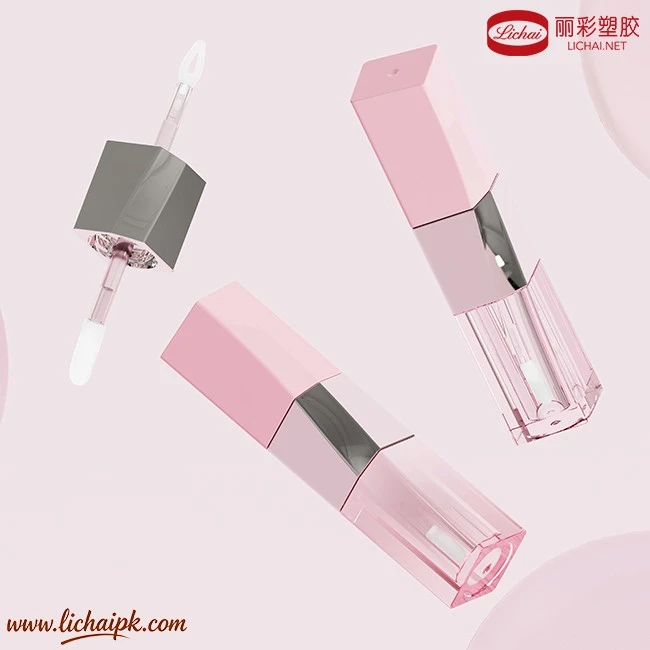
As a supplier of crystal lip gloss tubes, we offer a wide range of products to meet the diverse needs of our customers. We have Airless Lip Gloss Tubes that are designed to keep the lip gloss fresh and prevent contamination. These tubes use an airless pump system to dispense the product, ensuring that it remains hygienic and free from oxidation.
Our Creative Lip Gloss Tubes come in unique and eye - catching designs. They are perfect for brands that want to stand out in the market and offer a distinctive packaging solution for their lip gloss products.
We also provide High - Gloss Lip Gloss Tubes that have a shiny and reflective surface, enhancing the overall appeal of the lip gloss. These tubes are made from high - quality materials and are available in different sizes and shapes.

Contact Us for Procurement
If you are in the market for crystal lip gloss tubes, we would love to discuss your requirements. Our team of experts can help you choose the right materials, shapes, and sizes for your lip gloss products. We are committed to providing high - quality products at competitive prices and excellent customer service. Whether you are a small startup or a large cosmetic company, we have the solutions to meet your needs. Reach out to us to start the procurement process and take your lip gloss products to the next level.
References
- Cosmetics Packaging Handbook, edited by Charles S. Bontempo
- Plastic Materials in Packaging, by Rosato, David V. and Rosato, Dominick V.
- Glass Packaging: Design, Technology, and Marketing, by Harries, C. R.